← Back to Solutions

Exoskeleton Power Solutions

Ultra-compact, flat-profile QDD actuators and hollow-shaft joint motors for medical, industrial, and research exoskeleton programs.

Target Buyer:For biomedical engineers, wearable robot architects, and sourcing teams that need compact actuators with traceable samples and human-safe validation criteria.

Inquiry Email

[email protected]

Include target torque/speed, quantity, and delivery location.

Instant Chat

+86 188 5797 1991

Opens a direct WhatsApp thread with the RFQ message prefilled.

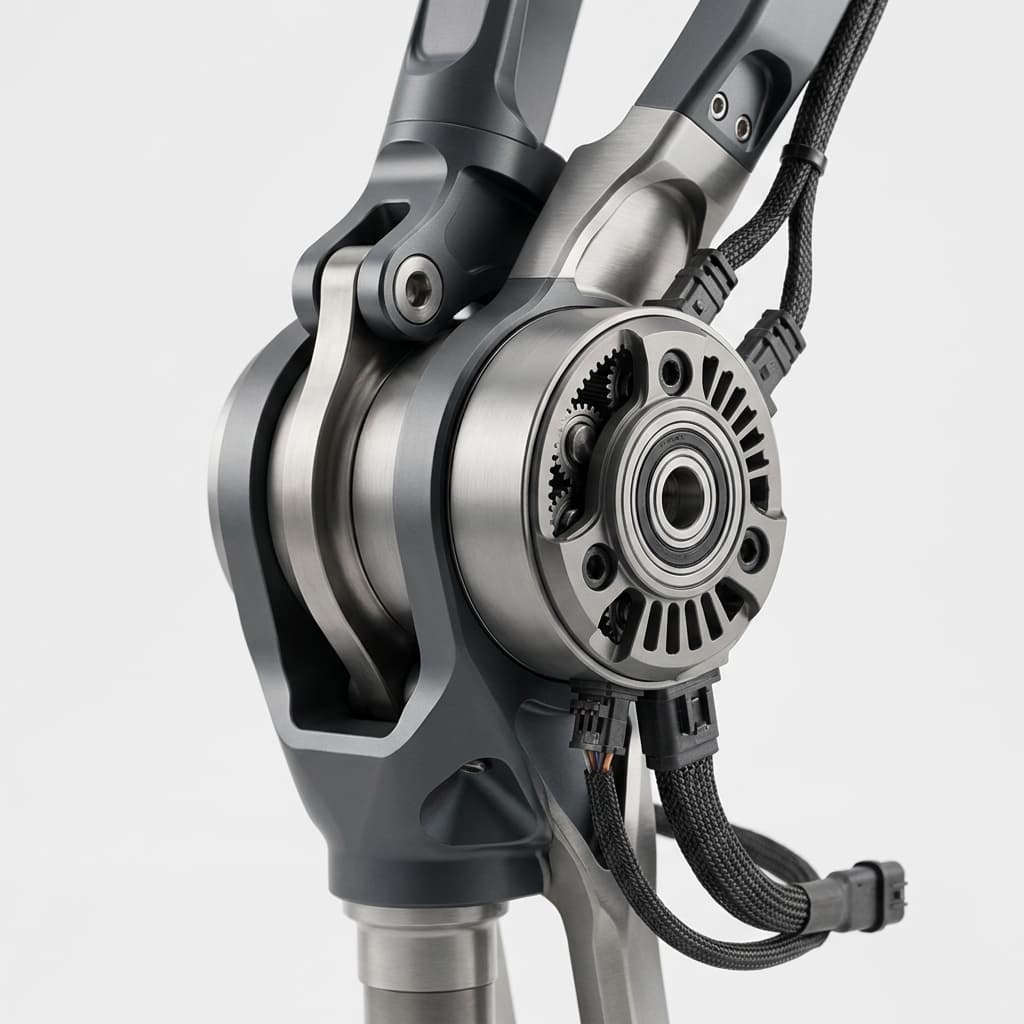
Exoskeleton Joint Motor

Solution Highlights

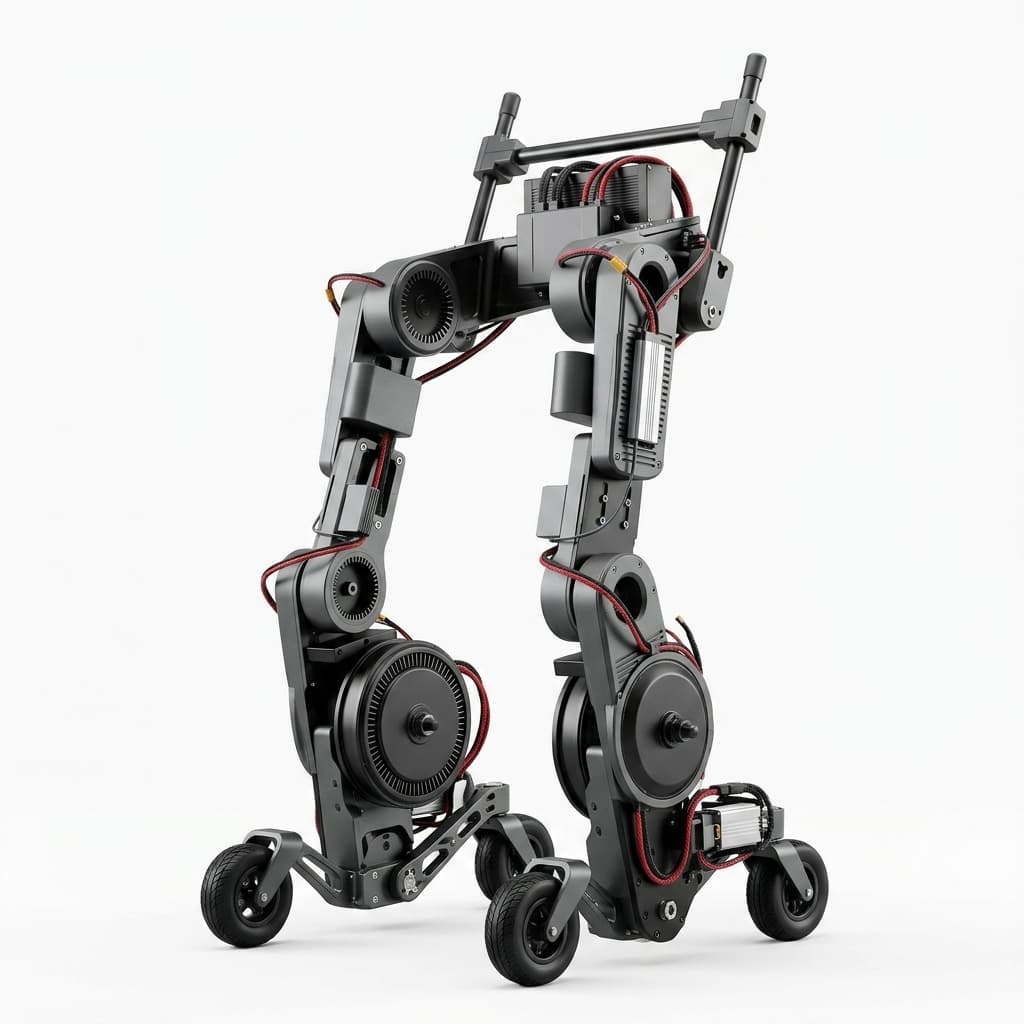
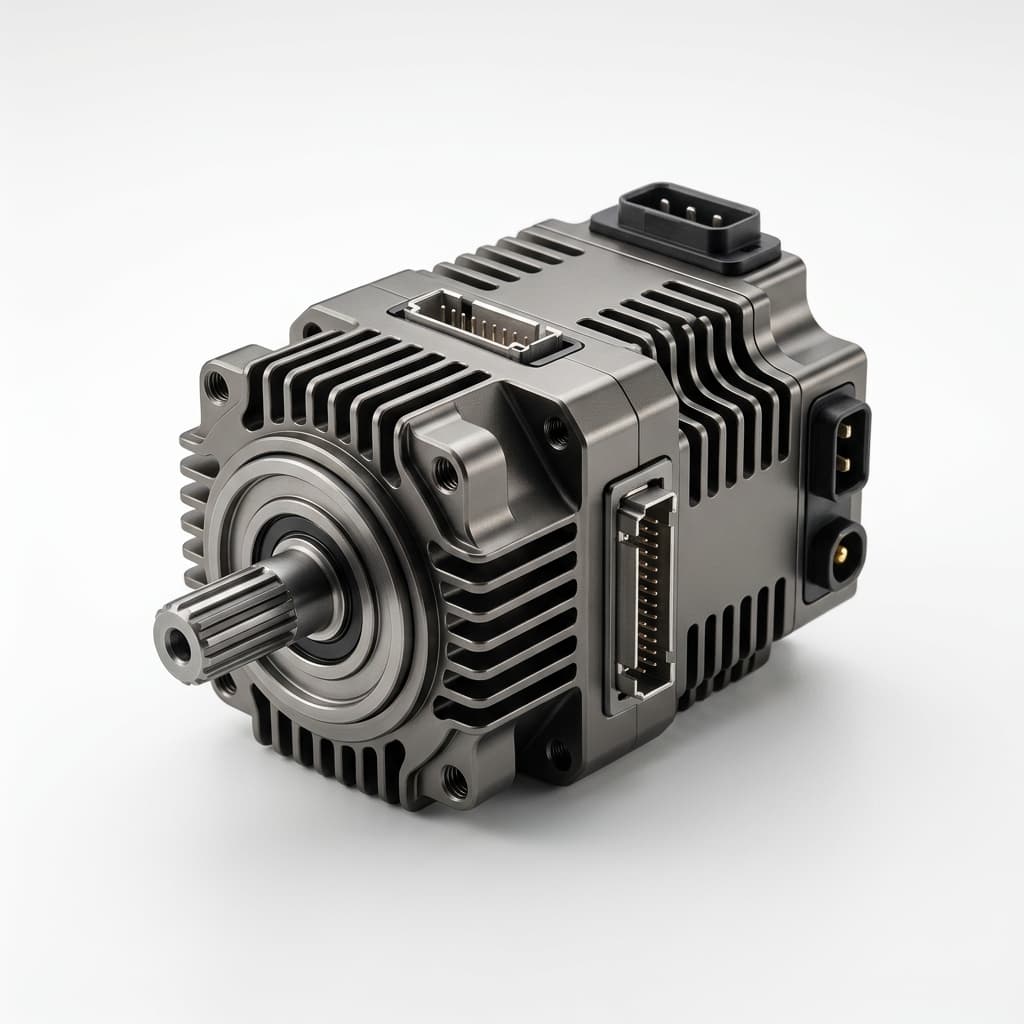
  • Flat actuator geometry for hip, knee, ankle, and shoulder packages
  • Backdrivable low-ratio drivetrain for human-in-the-loop control
  • Lightweight housing, encoder, brake, and cable-routing customization

Common Use Cases

  • Medical rehab exoskeletons
  • Industrial lifting assist
  • Military wearables
  • Prosthetic knee and ankle actuator research

Implementation Focus

  • Hip, knee, and ankle torque sizing by gait phase and support level
  • Weight, stack height, and cable routing near the user body
  • Backdrivability, brake behavior, and safe failure assumptions
  • Noise, surface temperature, and documentation discipline for buyer audits

Application Evaluation Matrix

Evaluation MetricTypical RangeBuyer Relevance
Weight-to-Torque RatioApplication-optimized Nm/kgEvery gram near the limb affects user fatigue, battery size, and wearable comfort.
Backdrive TorqueLow-ratio QDD targetBackdrivability improves transparency and helps the control system feel less rigid to the wearer.
Thermal ComfortBuyer-defined surface temperature limitHuman-contact devices must avoid uncomfortable housing temperatures during sustained walking or lifting cycles.
Stack HeightFlat-profile actuator packageLower profile packaging reduces interference with braces, clothing, and user motion.

RFQ Preparation Checklist

  1. Share joint location, range of motion, envelope, weight limit, and mounting concept
  2. Provide biomechanical torque-speed curves and duty cycle by gait or lift phase
  3. Confirm voltage, encoder, brake, driver, and communication interface needs
  4. Define backdrive torque, noise, surface temperature, and safety margin expectations
  5. State prototype quantity, validation plan, compliance files, and ramp forecast
Risk and Mitigation

  • Gear backlash affecting gait control: Set backlash and backdrive targets in the sample acceptance plan, then validate under representative gait cycles.
  • User discomfort from heat or noise: Add surface temperature, acoustic, and vibration limits to the RFQ instead of evaluating torque only.
  • Late sensor or brake integration: Reserve encoder, brake, load-cell, cable, and connector space in CAD before sample release.

Recommended Products

Wearable Robot Actuator
Exoskeleton Knee Joint

Buyer FAQ

Can you integrate custom load cells?

Yes, we can co-design the housing to accommodate your specified force/torque sensors.

Can you support prosthetic or rehabilitation joint samples?

Yes. We can align small sample lots around buyer-supplied torque profiles, envelope limits, traceability expectations, and validation criteria.

What data helps size an exoskeleton actuator?

Share joint location, gait or lift cycle, peak and continuous torque, speed, allowed mass, voltage, brake requirement, backdrive target, and user-contact limits.

Related Resources

Discuss Your Application

Smart RFQ Builder

Fill out the core engineering inputs below. The request goes directly to our engineering inbox, and you can still use the email fallback for CAD, BOM, drawings, or datasheets.

File Attachments (CAD / BOM / Specs)

Because we value your IP security, this form does not upload CAD or BOM files to our web server. Use the email fallback if files need to travel with the first request. Please attach STEP files, 2D drawings, BOM sheets, torque curves, or PDF specs directly in email.